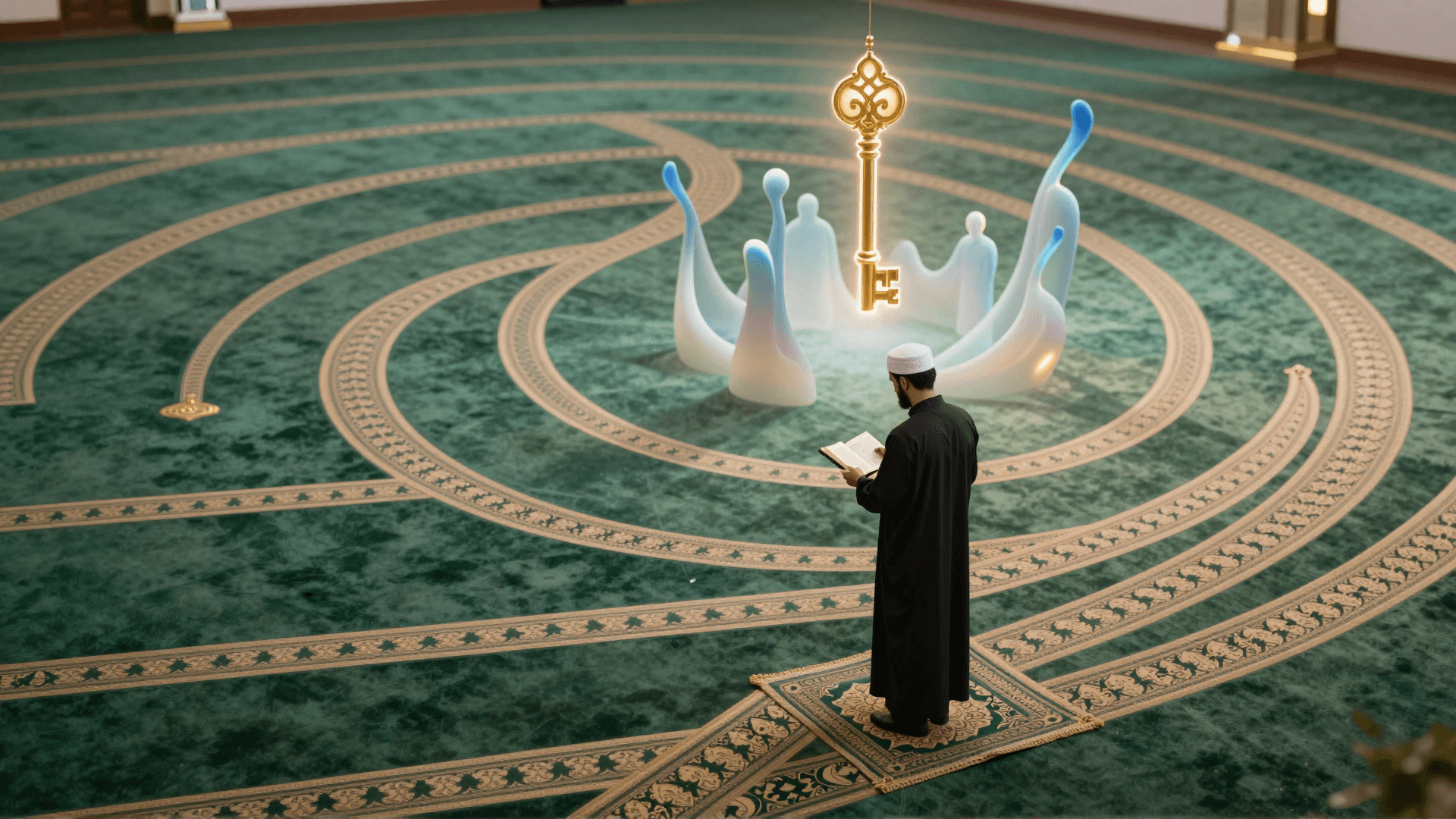
In the daily life of a Muslim, religious devotion stands at the very center. It is no surprise, then, that many believers dream of standing in prayer within mosque walls, reciting verses of the Quran, or hearing the melodic call of the Adhan echoing through the night. But what do these dreams truly mean?
The Islamic Perspective: A Sign of Connection
In classical Islamic dream interpretation, dreams of Salah and Quranic recitation are considered among the most auspicious visions a believer can experience.
Dreaming of Prayer (Salah):
- Symbolizes a strong connection with Allah
- Indicates spiritual elevation and nearness to the Divine
- Suggests that the dreamer's supplications are being heard
- Represents inner peace and submission to God's will
Dreaming of Quran Recitation:
- Signifies divine guidance illuminating the dreamer's path
- Represents the acquisition of beneficial knowledge
- Indicates protection from spiritual harm
- Suggests blessings and barakah entering the dreamer's life
Hearing the Adhan in a Dream:
- A call to spiritual awakening
- Encouragement to return to or strengthen one's faith
- A reminder of life's higher purpose beyond worldly concerns
The Psychological Perspective: Inner Reflection
Modern psychology offers a complementary lens through which to view these sacred dreams.
"You Dream What You Think By Day" For devoted Muslims, religious practice occupies a significant portion of daily consciousness. Dreams of prayer may simply reflect:
- The mind processing daily routines of worship
- A natural continuation of spiritual focus into sleep
- The brain organizing and reinforcing important values
Anxiety and Aspiration Sometimes these dreams reveal underlying concerns:
- Worry about whether one's worship is performed correctly
- A desire for deeper spiritual connection
- Unconscious processing of guilt or the need for repentance
- The longing for a stronger sense of belonging to the faith community
Finding Balance: Guidance, Not Superstition
The key is to approach these dreams with wisdom rather than obsession.
What to Do When You Have Such a Dream:
- Reflect: Consider your current spiritual state honestly
- Gratitude: Thank Allah for the reminder and motivation
- Action: Use the dream as fuel to improve your daily worship
- Consistency: Let it inspire regular prayer, not sporadic intensity
- Balance: Avoid reading too much into every detail
"The most beloved deeds to Allah are those done consistently, even if they are small." (Sahih Bukhari)
From Dream to Reality
Rather than becoming preoccupied with interpreting every symbol, believers should use these dreams as gentle nudges toward positive change:
- Renew commitment to daily prayers
- Increase Quran recitation and reflection
- Seek knowledge that strengthens faith
- Serve others as an extension of devotion
Related Resources
- Dua for Peace of Mind - Find tranquility through supplication
- Spiritual Growth - Practical steps for deepening your faith journey
Conclusion
Whether dreams of Salah and recitation are divine guidance, psychological reflections, or a beautiful combination of both, their ultimate purpose is clear: to draw us closer to Allah and to the best versions of ourselves.
Let these dreams be not a source of confusion or superstition, but a springboard for meaningful spiritual growth. In the end, what matters most is not what we dream at night, but how we live when we wake.