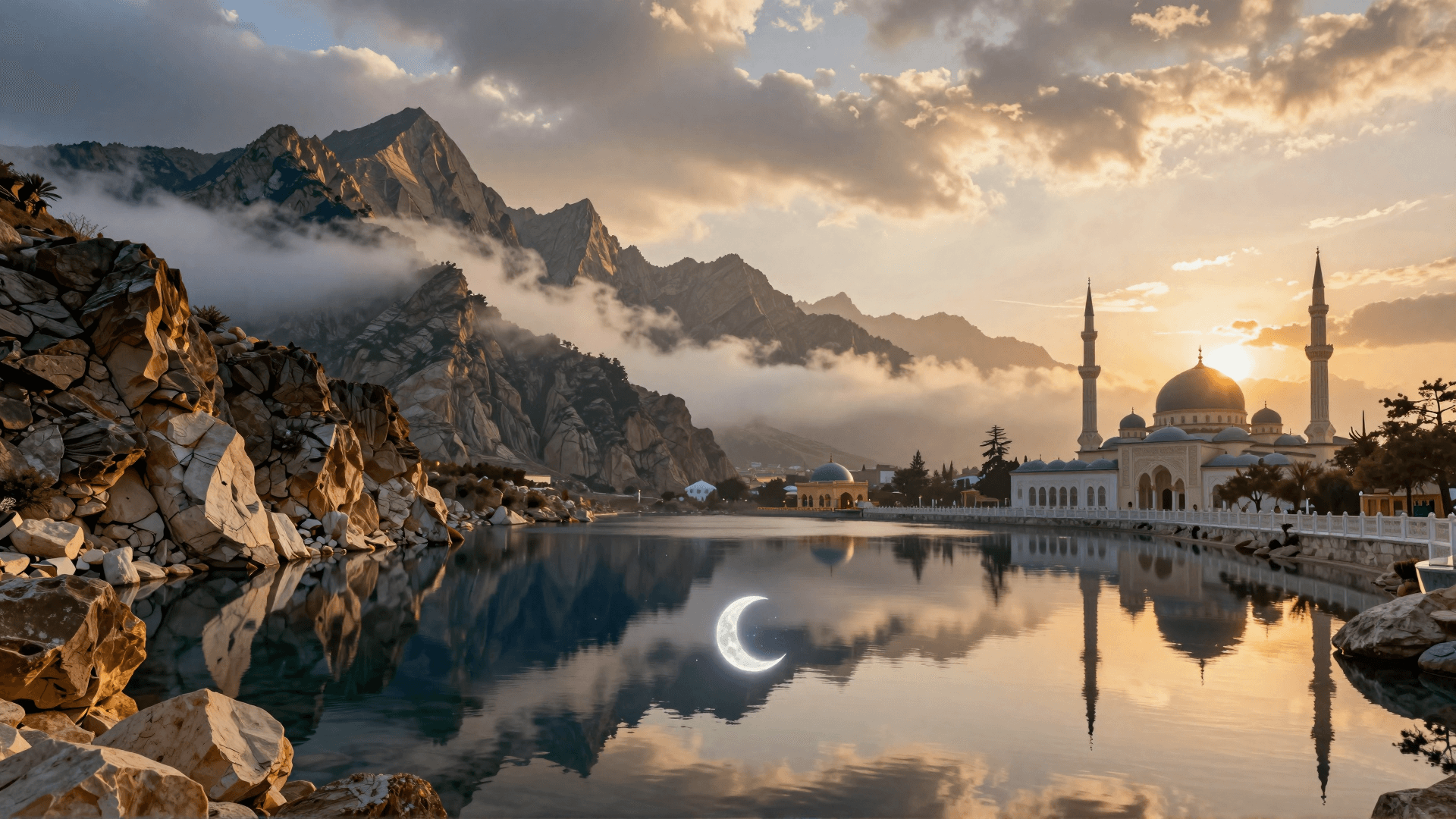
When facing important life decisions, Muslims turn to Salat al-Istikhara - the prayer for guidance. But what happens when you dream after performing Istikhara? How do you interpret these dreams? This comprehensive guide explains everything about Istikhara dream interpretation according to authentic Islamic sources.
What Is Istikhara and Why Do Dreams Matter?
Istikhara (استخارة) literally means "seeking the best" from Allah. It's a special two-rak'ah prayer followed by a specific dua, asking Allah to guide you toward what's best in a particular matter.
The Connection Between Istikhara and Dreams
While Istikhara doesn't always result in dreams, many believers experience:
- Clear dreams showing the right path
- Symbolic visions requiring interpretation
- Feelings of peace or unease about certain choices
- Repeated signs pointing in one direction
The Prophet Muhammad ﷺ taught us that true dreams (ru'ya sadiqah) are one of the forty-six parts of prophethood. When combined with sincere Istikhara, these dreams can provide divine guidance.
How to Know If Your Dream Is an Istikhara Answer
Not every dream after Istikhara is a direct answer. Look for these signs:
✅ Signs of a True Istikhara Dream
- Clarity and Vividness
- The dream feels real and memorable
- Details remain clear upon waking
- You wake up feeling peaceful
- Timing
- Occurs within 3-7 days after Istikhara
- Often happens in the last third of the night
- May repeat multiple nights
- Emotional State
- Feel calm and reassured
- No fear or anxiety upon waking
- Sense of certainty about the decision
- Symbolic Colors
- Green: Generally positive, indicates blessing (barakah)
- White: Purity, clarity, good outcome
- Light/Brightness: Divine guidance, truth
- Dark/Black: Warning, proceed with caution
❌ Signs It's NOT an Istikhara Answer
- Confusing or chaotic dreams
- Nightmares or frightening visions
- Dreams influenced by daily worries
- Unclear or forgettable experiences
- Dreams caused by eating before sleep
Common Istikhara Dream Symbols and Their Meanings
1. Seeing Clear Paths or Roads
Positive Interpretation:
- Smooth, straight road = Clear path forward, proceed with confidence
- Well-lit pathway = Divine guidance, make the decision
- Green landscape = Blessings and success await
Warning Signs:
- Blocked or broken road = Obstacles ahead, reconsider
- Dark or narrow path = Difficulties, seek more guidance
- Fork in road = Need more clarity, perform Istikhara again
2. Water Symbolism
Positive Signs:
- Clear, flowing water = Purification, good outcome
- Drinking clean water = Receiving blessings
- Calm ocean or lake = Peace with your decision
Warning Signs:
- Muddy or dirty water = Confusion, unclear situation
- Flooding or storms = Emotional turmoil, wait
- Drowning = Feeling overwhelmed, seek counsel
3. Meeting People in Dreams
Scholars and Righteous People:
- Seeing pious individuals = Good sign, follow their advice
- Scholars giving guidance = Seek knowledge first
- Family members approving = Family support available
Prophet Muhammad ﷺ:
- Seeing the Prophet ﷺ smiling = Excellent omen, proceed
- Receiving something from him = Divine blessing
- Note: True visions of the Prophet ﷺ are rare and deeply blessed
4. Animals and Creatures
Positive Symbols:
- White horse = Honor, success in your matter
- Dove or white bird = Peace, good news
- Cow or sheep = Provision (rizq), stability
Warning Symbols:
- Snakes = Hidden enemies or deception
- Dogs barking = Opposition or criticism
- Scorpions = Harmful people involved
5. Objects and Actions
Favorable Signs:
- Receiving keys = Solution to your problem
- Opening doors = Opportunities becoming available
- Flying = Freedom from worry, elevation
- Reading Quran = Divine approval, spiritual benefit
Cautionary Signs:
- Losing something = Potential loss if you proceed
- Falling = Instability, need stronger foundation
- Being chased = Running from responsibility
- Broken items = Plans may not work out
Color Symbolism in Istikhara Dreams
Colors carry significant meaning in Islamic dream interpretation:
| Color | Positive Meaning | Negative Context |
|---|---|---|
| Green | Islam, paradise, growth, blessing | - |
| White | Purity, peace, clarity, truth | - |
| Black | Power, dignity | Grief, sorrow, warning |
| Red | Energy, passion | Anger, danger, conflict |
| Yellow | Wisdom, knowledge | Illness, weakness |
| Blue | Tranquility, depth | Sadness, depression |
What If You Don't Dream After Istikhara?
Important: Not dreaming doesn't mean Istikhara failed!
Alternative Signs of Guidance
- Ease or Difficulty
- Matters become easy = Green light from Allah
- Continuous obstacles = Sign to reconsider
- Inner Peace
- Heart feels settled about one option
- Anxiety decreases over time
- External Circumstances
- Doors open naturally
- People offer unexpected help
- Resources become available
- Consultation (Shura)
- Trusted advisors give clear advice
- Multiple people suggest same path
When to Repeat Istikhara
You should perform Istikhara again if:
- You're still confused after 7 days
- Circumstances have changed significantly
- You didn't perform it properly the first time
- New information has emerged
Note: You can perform Istikhara multiple times for the same matter.
Step-by-Step: Performing Istikhara Correctly
To receive clear guidance, ensure you're performing Istikhara properly:
1. Purification
- Perform wudu (ablution)
- Wear clean clothes
- Face the qibla
2. Two Rak'ah Prayer
- Pray with sincerity and focus
- Recite Surah Al-Fatiha + any surah in each rak'ah
- Make dua with humility
3. Recite the Istikhara Dua
"Allahumma inni astakhiruka bi'ilmika, wa astaqdiruka bi-qudratika, wa as'aluka min fadlika al-'azim..."
(O Allah, I seek Your guidance by virtue of Your knowledge, and I seek ability by virtue of Your power, and I ask You of Your great bounty...)
4. Mention Your Specific Need
- Clearly state your dilemma
- Ask for what's best, not what you want
- Trust Allah's wisdom
5. Wait Patiently
- Give it 3-7 days minimum
- Stay observant of signs
- Keep your heart open
Common Mistakes in Istikhara Dream Interpretation
❌ Mistake 1: Expecting Literal Answers
Wrong: "I dreamed of a red car, so I should buy a red car."
Right: Understand symbolic meanings. Red might mean passion or warning depending on context.
❌ Mistake 2: Ignoring Your Emotions
Your feelings upon waking matter:
- Peace and clarity = Positive sign
- Anxiety or confusion = Needs more reflection
❌ Mistake 3: Over-Analyzing Every Detail
Focus on:
- Overall feeling of the dream
- Main symbols and colors
- Clear messages (if any)
Don't obsess over minor details.
❌ Mistake 4: Making Decisions Solely Based on Dreams
Istikhara dreams should be combined with:
- Rational thinking
- Consultation with knowledgeable people
- Practical considerations
- Islamic guidelines
❌ Mistake 5: Expecting Immediate Results
Guidance comes in Allah's timing:
- Some receive answers in days
- Others take weeks
- Some guidance comes through circumstances, not dreams
Scholarly Perspectives on Istikhara Dreams
Ibn Sirin's View
The renowned dream interpreter Ibn Sirin emphasized:
- Dreams must align with Islamic principles
- Personal circumstances affect interpretation
- Consultation with scholars is recommended
- Not all dreams are prophetic
Imam Al-Nawawi's Guidance
Imam Al-Nawabi stated:
- Istikhara is Sunnah for all permissible matters
- Trust in Allah's decree is essential
- Combine Istikhara with practical effort
- Be patient with the outcome
Contemporary Scholars
Modern scholars add:
- Psychological factors influence dreams
- Cultural context matters in symbolism
- Seek balance between dreams and reason
- Don't neglect professional advice when needed
Practical Tips for Better Istikhara Dreams
Before Sleeping
- Perform Wudu
- Sleep in a state of purity
- Recite Protective Duas
- Ayat al-Kursi
- Last two verses of Surah Al-Baqarah
- Three Quls (Surah Al-Ikhlas, Al-Falaq, An-Nas)
- Sleep Position
- Lie on your right side
- Face the qibla if possible
- Clear Your Mind
- Avoid stressful activities before bed
- Don't eat heavy meals late
- Reflect on your intention sincerely
Upon Waking
- Record Immediately
- Write down everything you remember
- Note colors, emotions, symbols
- Time of the dream
- Reflect on Feelings
- How did you feel during the dream?
- How did you feel upon waking?
- Any lasting impressions?
- Seek Knowledge
- Research symbols you don't understand
- Consult reliable Islamic sources
- Ask knowledgeable people if needed
When to Seek Help Interpreting Istikhara Dreams
Consult a qualified scholar or dream interpreter if:
- The dream is very complex or confusing
- You see the Prophet Muhammad ﷺ
- The dream involves religious matters
- You're making a major life decision
- The dream causes significant distress
- You've performed Istikhara multiple times without clarity
Remember: Choose interpreters who:
- Have knowledge of Islamic dream interpretation
- Follow Quran and Sunnah
- Are known for piety and wisdom
- Don't charge excessive fees
- Encourage trust in Allah
Frequently Asked Questions
Q: How many times should I perform Istikhara?
A: You can perform Istikhara as many times as needed. Some scholars recommend up to 7 times for important matters. If you're still uncertain, combine it with consultation (shura).
Q: Can I perform Istikhara for someone else?
A: Yes, you can perform Istikhara on behalf of others, especially family members. However, it's better if the person directly involved performs it themselves when possible.
Q: What if my Istikhara dream seems negative?
A: A seemingly negative dream might be:
- A warning to protect you from harm
- A test of your patience and trust
- An indication to explore other options
- Not actually related to Istikhara
Stay calm, analyze carefully, and consider repeating Istikhara.
Q: Is it necessary to dream after Istikhara?
A: No! Many people never dream after Istikhara. Guidance can come through:
- Ease or difficulty in matters
- Inner peace about a decision
- Advice from trustworthy people
- Changing circumstances
Q: How long should I wait for an Istikhara dream?
A: Most scholars suggest waiting 3-7 days. However:
- Some receive answers immediately
- Others take longer
- Some never dream but receive guidance through other means
Be patient and trust Allah's timing.
Q: Can I perform Istikhara for haram (forbidden) matters?
A: No. Istikhara is only for permissible (halal) matters where you're unsure which option is better. For clearly haram actions, there's no need for Istikhara - simply avoid them.
Q: What's the difference between Istikhara and regular dua?
A:
- Istikhara: Specific prayer with set format, for decision-making
- Regular Dua: General supplication, can be for anything
- Istikhara includes prayer + specific dua + trust in Allah's choice
Conclusion: Trust in Allah's Wisdom
Istikhara dream interpretation is a beautiful aspect of Islamic spirituality that combines:
- Faith in Allah's guidance
- Prophetic traditions
- Personal reflection
- Scholarly wisdom
Key Takeaways:
✅ Istikhara dreams are one form of guidance, not the only form
✅ Look for clarity, peace, and positive symbols
✅ Combine dream interpretation with reason and consultation
✅ Not dreaming doesn't mean failure - trust other signs
✅ Always prioritize Quran and Sunnah in your decisions
Remember the words of Allah:
"And whoever relies upon Allah - then He is sufficient for him." (Quran 65:3)
Whether through dreams, circumstances, or inner peace, Allah will guide those who sincerely seek His help. Perform Istikhara with conviction, interpret dreams with wisdom, and trust in Allah's perfect plan.
Related Articles
- 3 Types of Dreams in Islam
- Bad Dreams and Nightmares: Islamic Protection Guide
- How to Perform Istikhara Prayer: Complete Guide
- Dream of Prayer in Islam: Spiritual Meanings