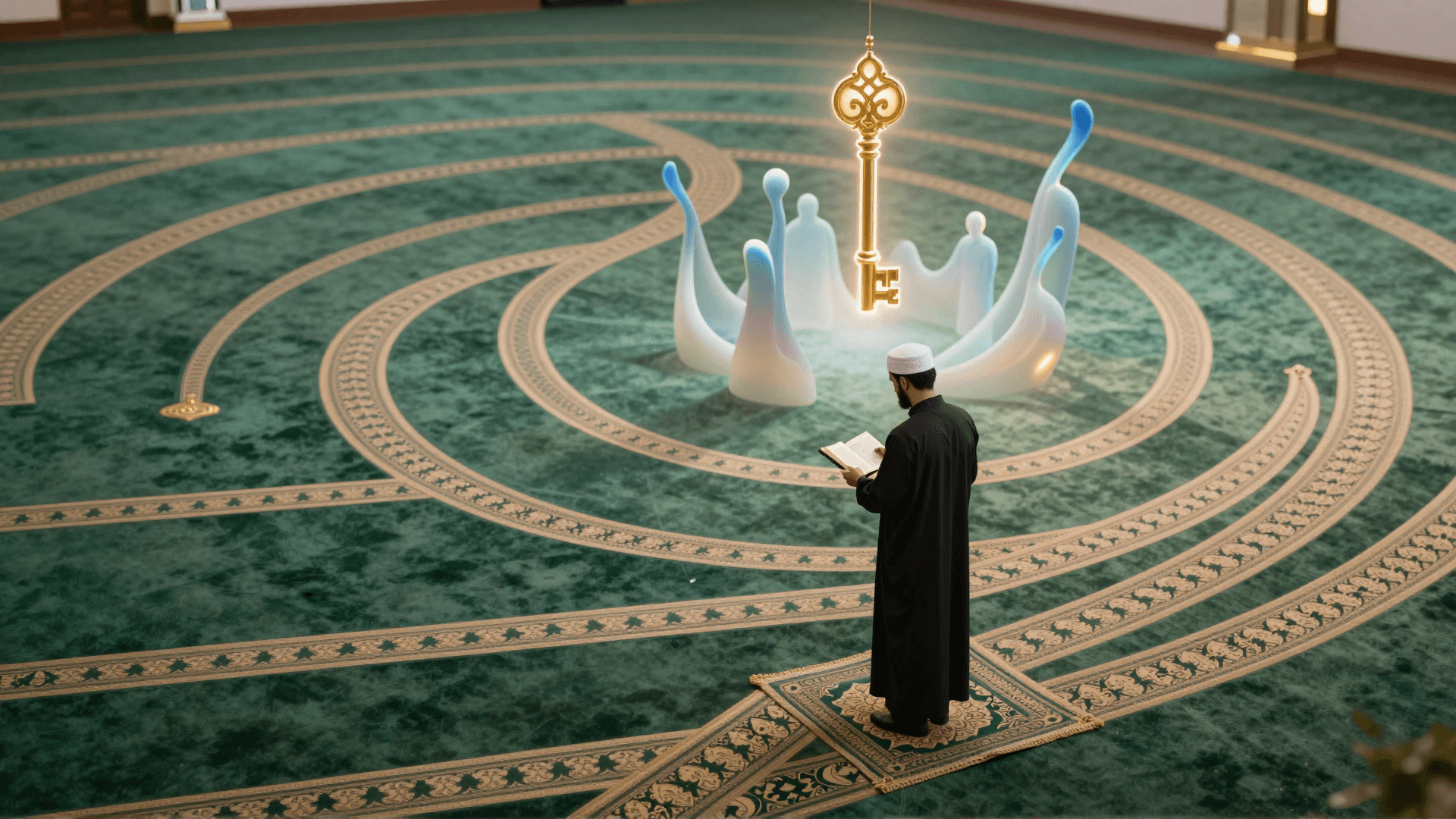
For young Muslims educated in Western traditions, reconciling traditional Islamic dream interpretation with modern psychological understanding can seem challenging. However, these two approaches share surprising common ground and can work together harmoniously.
The Bridge Between Two Wisdom Traditions
Modern Psychology's View of Dreams
Western psychology offers valuable insights:
- Freud: Dreams reveal unconscious desires and repressed emotions
- Jung: Dreams contain archetypal symbols and personal symbolism
- Cognitive Theory: Dreams help process daily experiences and emotions
Islamic Perspective on Dreams
Traditional Islamic understanding emphasizes:
- Dreams as potential divine communication
- Spiritual sources (Allah, Shaytan, or the self)
- Moral and practical guidance for life
- Connection to one's spiritual state
Points of Harmony
1. Dreams Reflect Our Inner State
Psychological View: Dreams mirror our subconscious thoughts and emotions.
Islamic View: Dreams reveal our spiritual condition and can indicate our closeness to Allah.
Both traditions agree: Our mental, emotional, and spiritual states influence dream content.
2. The "Day Residue" Phenomenon
Psychological Research: Daily experiences often appear in dreams.
Islamic Teaching: "Hadith al-Nafs" (everyday thoughts) acknowledges that daily concerns manifest in dreams.
This is where science and tradition beautifully converge.
3. Emotional Processing
Psychology: Dreams help process difficult emotions and trauma.
Islam: Dreams can help us work through anxieties, fears, and life challenges.
Both traditions recognize dreams as a space for emotional and spiritual healing.
The Sufi Dimension: Dreams as Spiritual Awakening
Ibn Arabi's Perspective
The great Sufi scholar Ibn Arabi taught:
- "Awakening is a small dream, and dream is a waking without the body"
- Dreams are windows to different levels of consciousness
- True knowledge transcends the physical realm
The Hierarchy of Dreams
Sufi scholars described levels of spiritual perception:
- Hulm (Common dreams): From imagination and daily thoughts
- Khawab al-Ro'ya: True visions containing guidance
- Firaas: Pure spiritual insight from a purified heart
- Kashf: Direct unveiling of spiritual realities
Practical Guidelines for Modern Muslims
What to Accept from Psychology
Psychology helps us understand:
- Why we remember certain dreams
- How stress and anxiety affect dream content
- The role of memory consolidation during sleep
- Basic dream symbols and their psychological meanings
What to Maintain from Tradition
Islamic tradition teaches us:
- The spiritual dimension of dreams
- Proper etiquette for handling nightmares
- Seeking protection before sleep
- Not becoming overly superstitious about dreams
Finding Balance
The balanced approach:
- Acknowledge psychological factors without dismissing spiritual meaning
- Seek divine protection while understanding dream mechanics
- Use dreams for self-reflection without becoming dependent on them
- Consult scholars for significant dreams, not fortune-tellers
- Focus on action rather than passive interpretation
How to Use Dreams Wisely
For Self-Reflection
Dreams can help us examine our lives:
Ask Yourself:
- What emotions did I feel in the dream?
- What symbols resonate with my current life situation?
- Is there a message I need to hear?
- What changes should I make based on this reflection?
Avoid These Pitfalls:
- Making major life decisions based solely on dreams
- Becoming anxious about ambiguous dreams
- Sharing dreams indiscriminately
- Interpreting nightmares as permanent fate
For Spiritual Growth
Dreams can be a tool for development:
- Purify your heart through dhikr and Quran
- Reflect on dream imagery in relation to your spiritual journey
- Act upon positive guidance with concrete deeds
- Seek Allah's help in understanding your dreams
The Role of Dreams in Modern Life
When Dreams Can Help
Dreams may provide insight into:
- Unresolved emotional conflicts
- Creative solutions to problems
- Hidden fears or anxieties
- Spiritual direction and priorities
- Reminders of important life values
When Dreams Shouldn't Control Us
Dreams should not determine:
- Major religious rulings
- Life-altering decisions alone
- Our worth or spiritual status
- Relationships without proper consultation
- Future fate or destiny
Creating Space for Blessed Dreams
Practical Steps
- Before Sleep:
- Perform wudu with intention
- Recite the three Quls
- Read Quran, especially Ayat al-Kursi
- Make sincere dua
- Sleep in a state of gratitude
- During Sleep:
- Sleep on your right side
- Face the Qibla if possible
- Maintain awareness of Allah
- Upon Waking:
- Praise Allah
- Recite the morning dua
- Make gratitude supplications
- If you had a good dream, thank Allah
- If troubled, seek protection and move forward
Conclusion
The intersection of Islamic dream interpretation and modern psychology offers a rich framework for understanding ourselves. Young Muslims can embrace both traditions by:
- Keeping the heart pure through worship and good deeds
- Using dreams for reflection rather than fortune-telling
- Balancing spiritual hope with practical wisdom
- Focusing on action in the physical world
- Trusting Allah's wisdom above all interpretations
Remember: Dreams are one of many tools for self-understanding. The core of faith remains our connection to Allah through prayer, Quran, and righteous action. May we use all of life's gifts—including our dreams—in service of our spiritual growth and ultimate peace.
Related Articles
- Spiritual Growth Collection - Resources for deepening your Islamic journey
- Dua for Peace of Mind - Supplications for inner tranquility
- Understanding Islamic Dream Symbols - Comprehensive guide to dream interpretation